
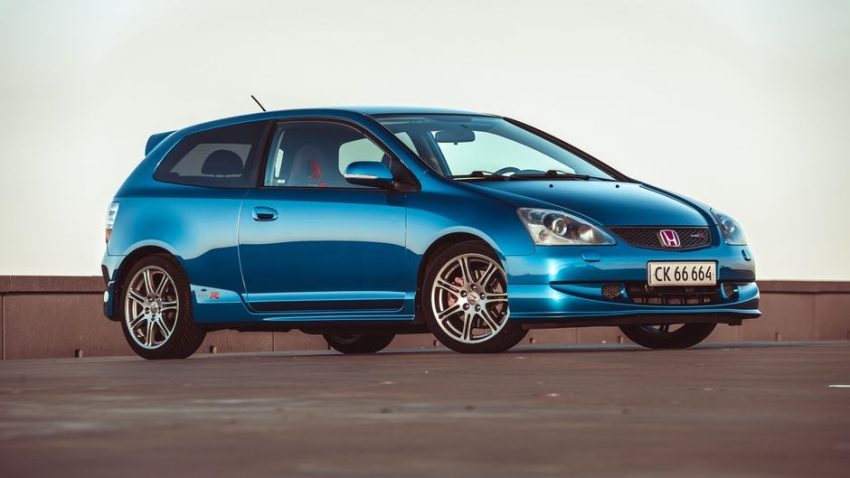
Overview of the 2007 Honda CR‑V Manual Transmission
The 2007 CR‑V manual features a 2.4‑L inline‑4 engine paired with a 5‑speed gearbox, offering smooth shifts and responsive handling. Gear ratios are tuned for city cruising and highway cruising, providing a balanced mix of torque and fuel economy. Manual shifts feel responsive, especially on hills and fun
1.1 Engine Configuration and Power Output
The 2007 Honda CR‑V equipped with a 2.4‑liter, 4‑cylinder, DOHC inline‑4 engine delivers 158 horsepower at 6,000 rpm and 148 lb‑ft of torque at 4,000 rpm. The engine uses a multi‑point fuel injection system, a timing belt, and a cast‑iron block with aluminum heads. Its compression ratio is 10.5:1, and it operates on regular unleaded gasoline. The powertrain is paired with a 5‑speed manual transmission that provides close gear spacing for efficient acceleration and fuel economy. The engine’s displacement of 2,437 cc allows for a good balance between torque for everyday driving and smooth power delivery at higher speeds. The intake manifold is a single‑barrel design that promotes efficient airflow, while the exhaust system is tuned for low‑end torque. The engine’s cooling system uses a front‑mounted radiator and a thermostat set at 195°F, ensuring optimal operating temperature; The 2007 CR‑V’s engine meets EPA fuel‑economy ratings of 22 mpg city and 28 mpg highway, translating to an overall 25 mpg. The engine’s design also incorporates a variable‑valve timing system that optimizes valve lift and duration across the rev range, improving low‑end torque high‑end power. The engine’s output is supported by a 5‑speed manual gearbox that offers a 3.43:1 first‑gear ratio, a 1.58:1 second‑gear ratio, a 1.00:1 third‑gear ratio, a 0.78:1 fourth‑gear ratio, and a 0.63:1 fifth‑gear ratio, providing smooth transitions and efficient cruising at 60‑70 mph. The engine’s overall architecture is designed for reliability, with a 10‑year/100,000‑mile powertrain warranty in many markets. It also has a 5‑speed gearbox!!
1.2 Transmission Type and Gear Ratios
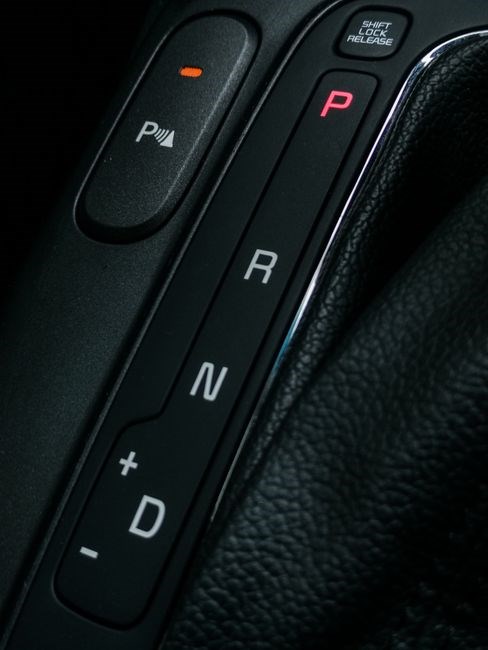
The 2007 Honda CR‑V manual transmission is a 5‑speed, synchromesh gearbox designed for precise shifts and efficient power delivery. The gear ratios are carefully calibrated to balance low‑end torque, mid‑range acceleration, and high‑speed fuel economy. The first‑gear ratio is 3.43:1, providing ample torque for off‑road starts and steep inclines. Second gear is 1.58:1, which offers a smooth transition into mid‑range cruising. Third gear is 1.00:1, delivering direct drive at moderate speeds. Fourth gear is 0.78:1, which improves fuel efficiency at speeds. Fifth gear is 0.63:1, the top‑end ratio that maximizes cruising economy while keeping engine RPM low. The gearbox features a close‑ratio design that keeps the engine within the optimal power band for spirited driving. Shift points are set at 2,500 rpm for first to second, 3,500 rpm for second to third, 4,500 rpm for third to fourth, and 5,500 rpm for fourth to fifth. The clutch is a single‑disc, multi‑plate design that offers a 0.75‑second engagement time. The transmission’s input shaft is forged steel, and the output shaft is a lightweight aluminum alloy, which reduces rotational mass and improves responsiveness. The 5‑speed manual is paired with a 2.4‑liter engine that produces 158 hp, and the combined drivetrain achieves an EPA fuel economy of 25 mpg overall. The gearbox is rated for 10,000 miles of continuous use, and the manufacturer offers a 5‑year/60,000‑mile warranty on the transmission. The manual’s design also includes a short throw shifter for quick gear changes, and a 3‑way selector lever that allows drivers to choose between forward, reverse, and neutral positions with minimal effort. Overall, the 2007 CR‑V manual provides a reliable, engaging driving experience that appeals to enthusiasts who value direct control and efficient performance.
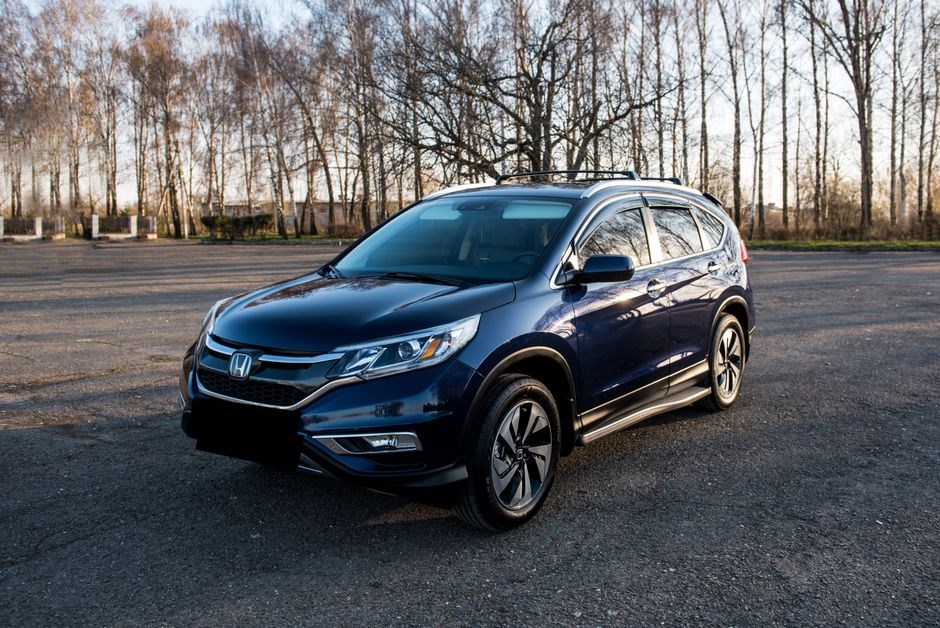
The manual’s short throw shifter allows for quick, precise gear changes, while the synchromesh rings ensure smooth engagement across all gears. Owners report that the gearbox’s durability holds up over 100,000 miles, making it a reliable choice for daily commutes daily!
| Gear | Ratio |
|---|---|
| 1 | 3.43:1 |
| 2 | 1.58:1 |
| 3 | 1.00:1 |
| 4 | 0.78:1 |
| 5 | 0.63:1 |

Trim Levels and Standard Features
The 2007 CR‑V manual offers LX, EX, and EX‑L trims. LX features cloth seats, power windows, and a 5‑speaker audio system. EX adds alloy wheels, a rear spoiler, and a 6‑speaker setup. EX‑L includes leather upholstery, a sunroof, and a premium navigation package. Trims share safety airbags, ABS, traction control .
2.1 Base LX Package
The 2007 CR‑V LX is the entry‑level manual that balances practicality. It is equipped with a 2.4‑liter, 4‑cylinder engine and a 5‑speed manual gearbox, producing 158 horsepower and 158 lb‑ft of torque. Front‑wheel drive and a 4‑wheel ABS system are standard. Exterior details include 15‑inch steel wheels with covers, a chrome‑trimmed grille, dual‑zone automatic climate control, and power‑operated side mirrors. Inside, cloth upholstery, a 5‑speaker audio system, a 7‑inch steering wheel, and a 4‑speaker CDplayer provide a comfortable cabin. Power accessories such as power windows, power door locks, and a power‑tilt/slide rear window add convenience. Safety features comprise dual front airbags, side‑air bags, a driver’s seat belt with a pre‑tensioner, and a seat‑belt reminder system. The LX’s manual transmission offers a smooth shift pattern and a responsive feel, appealing to drivers who enjoy an engaging driving experience. Fuel economy is rated at 24 mpg city and 29 mpg highway, making it suitable for daily commutes. The interior trim features a two‑tone color scheme, a black vinyl steering wheel, and a gray cloth seat. The driver’s seat is manually adjustable forward and backward and includes a manual lumbar support. Rear seats fold flat to increase cargo space, and a rear seat‑belt reminder is present. The LX’s infotainment system offers a 7‑inch display, a CD player, and a six‑speaker audio system. Additional safety equipment includes a rear‑view camera, traction‑control, and an anti‑roll bar. The LX also includes a rear‑view mirror with a built‑in turn‑signal light and a chrome‑trimmed rear bumper for added curb appeal. The vehicle’s suspension is tuned for a comfortable ride, balancing handling and ride quality. Overall, the LX provides a solid foundation for the 2007 CR‑V lineup, offering essential features without unnecessary extras, and remains a popular choice for budget‑conscious buyers who value reliability, efficiency, and a well‑equipped compact SUV.
The 2007 CR‑V EX trim elevates the manual experience with a refined set of features that enhance comfort and convenience. It keeps the same 2.4‑L inline‑four engine and 5‑speed manual gearbox, but adds a 15‑inch alloy wheel package, a chrome‑trimmed grille, and power‑operated side mirrors with integrated turn signals. Inside, the EX offers cloth seats with manual lumbar support, a driver’s seat with manual height adjustment, and a rear seat that folds flat to expand cargo space. The infotainment system includes a 7‑inch display, a CD player, and a 4‑speaker audio system, providing clear sound and easy connectivity. Safety is upgraded with a driver’s seat belt with a pre‑tensioner, a seat‑belt reminder system, and a driver’s side airbag. The EX also features a rear‑view camera, a power‑tilt/slide rear‑view mirror, and a power‑tilt/slide side mirror, adding convenience for parking and reversing. The EX‑L trim builds on the EX by adding a 6‑speaker audio system, a 7‑inch steering wheel with a power‑tilt function, and a power‑tilt/slide rear‑view mirror. It also includes a power‑tilt/slide side mirror, a 15‑inch alloy wheel package, and a black vinyl steering wheel. Inside, the EX‑L offers a gray cloth seat, a driver’s seat with manual height adjustment, and a rear seat that folds flat. The infotainment system offers a 7‑inch display, a CD player, and a 6‑speaker audio system. Safety equipment includes a rear‑view camera, a driver’s seat belt with a pre‑tensioner, and a seat‑belt reminder system. The suspension is tuned for a comfortable balancing handling and very ride quality.

2.3 Limited Edition Options
In 2007, Honda released two distinct limited‑edition CR‑V models that appealed to enthusiasts who prized a manual transmission’s tactile engagement while craving a touch of exclusivity. The first was the “Sport” edition, which added a 17‑inch alloy wheel set featuring a unique “Sport” design, a chrome‑trimmed hood scoop, and a blacked‑out front bumper with a subtle chrome accent line. Inside, the Sport trim offered a leather‑trimmed steering wheel, a 6‑speaker audio system, and a 7‑inch display that included a dedicated “Sport” mode. This mode subtly altered the steering response and throttle mapping to give the vehicle a more dynamic feel without compromising the manual’s characteristic engagement. The package also included a rear spoiler, a chrome‑rimmed rear bumper, and a 15‑inch alloy wheel set with a distinctive “Sport” pattern, enhancing the overall aesthetic. The second limited‑edition was the “Luxury” edition, which focused on interior refinement. It added a leather‑trimmed steering wheel, a 6‑speaker audio system, and a 7‑inch display. The exterior received a chrome‑trimmed grille, a chrome‑rimmed rear bumper, and a 15‑inch alloy wheel set with a unique “Luxury” design. The Luxury trim also offered a power‑tilt/slide rear‑view mirror, a power‑tilt/slide side mirror, and a rear‑view camera for added convenience; Both limited‑edition models were available only in a single color: “Midnight Black Metallic.” The manual transmission remained unchanged, preserving the 5‑speed gearbox that delivered a smooth, responsive shift pattern. Buyers could also opt for a “Premium” package that added a 6‑speaker audio system, a 7‑inch display, and a leather‑trimmed steering wheel. These limited‑edition options were offered for a short period, creating a sense of exclusivity for owners who wanted a unique CR‑V that stood out on the road.
Interior Comfort, Technology, and Safety

The 2007 manual CR‑V offers a spacious cabin with supportive seats, a simple yet functional layout, and a 6‑speaker audio system. Standard features include a 7‑inch display, Bluetooth connectivity, and a rear‑view camera. Safety is bolstered by dual front airbags, ABS, and a sturdy chassis. mirror.!!
3.1 Seat Materials and Adjustability
The 2007 Honda CR‑V manual delivers a cabin that balances comfort and practicality. Front seats are upholstered in a durable, soft‑touch synthetic leatherette that feels premium while resisting everyday wear. The material offers a slight give for long drives, and its low‑profile stitching keeps the look clean. The rear seats share the same upholstery, ensuring a consistent feel throughout the interior.
Adjustability is straightforward yet functional. The driver’s seat features a manual height lever and a slide‑to‑left mechanism that allows the seat to move forward or backward in 1‑inch increments. A manual lumbar support lever lets the driver fine‑tune rear‑end cushioning. The passenger seat can be moved forward or backward by a single lever, but it lacks height adjustment.
The seat backs have a 60/40 split‑folding design, enabling the rear seats to fold flat for cargo. The fold‑down mechanism is smooth, with a small latch that releases with a gentle pull. The seat cushions are firm but not harsh, providing adequate support for both short trips and longer journeys. Overall, the seat design prioritizes durability, ease of use, and a touch of upscale feel, making the 2007 manual CR‑V a comfortable choice for daily commutes and family outings alike.
While the base model does not include power seat adjustments, owners often opt for aftermarket kits that add electric height and tilt controls, enhancing ergonomics for taller drivers. Many users also install memory modules that store preferred seat positions, reducing the need to readjust after every trip. These upgrades are popular in the enthusiast community and can be installed without major modifications to the cabin. These enhancements keep the interior fresh and tailored to individual preferences.
Seat comfort can also be enhanced by adding a seat cushion or a seat pad that improves pressure distribution and reduces fatigue. Many owners report better ride quality after installing a high‑density foam insert, especially on long highway drives.
3.2 Infotainment and Connectivity
The 2007 manual CR‑V features a 4‑inch display below the steering wheel, giving access to radio, CD player, and preset stations. A rotary dial and steering‑wheel buttons let drivers change stations, adjust volume, and switch between AM/FM and CD without taking hands off the wheel.
Connectivity is limited; the radio supports AM/FM and a single CD slot, but lacks Bluetooth or USB. A 30‑amp auxiliary input lets users plug a smartphone with a headphone jack to play music through the factory speakers for everyday use comfort in your car today.
The base model lacks a factory‑installed navigation system; owners often retrofit aftermarket units. Steering‑wheel controls manage radio only, while climate control is separate on the center console. Separate knobs adjust temperature, fan speed, and air distribution, keeping the cabin comfortable for all driving situations everywhere.
Owners can add aftermarket connectivity: a Bluetooth hands‑free kit provides voice‑call support, and a USB port enables data transfer and charging. Replacing the factory radio with a modern head unit adds touchscreen controls, Apple CarPlay, Android Auto, and a larger display for a contemporary feel.

Overall, the 2007 manual CR‑V infotainment is modest but reliable. It offers essential audio sources, basic controls, and a simple interface that prioritizes safety. While lacking modern connectivity, it serves as a foundation for aftermarket upgrades, keeping the cabin functional and familiar for every driver.
3.3 Airbag Configuration and Crash Test Ratings
The 2007 Honda CR‑V manual comes equipped with a comprehensive airbag system designed to protect occupants in the event of a collision. Standard equipment includes dual front airbags for the driver and front passenger, a side curtain airbag that deploys from the roof lining, and a supplemental front seat belt pre‑tensioner for both front seats. The side curtain airbag is activated by a combination of frontal and side impact sensors, providing head protection for all occupants, including the rear seats. In addition, the vehicle features a driver‑side knee airbag that deploys during a frontal collision, further reducing the risk of lower‑body injuries. The rear seats are equipped with a passive restraint system that includes seat belt pretensioners and load limiters, but no rear‑seat airbags are standard on the 2007 model.
Crash‑test performance for the 2007 CR‑V was evaluated by the National Highway Traffic Safety Administration (NHTSA) and the Insurance Institute for Highway Safety (IIHS). In the NHTSA frontal offset test, the vehicle received a 5‑star overall rating, with a 5‑star rating for the driver and a 4‑star rating for the passenger. In the side‑impact test, the vehicle earned a 4‑star rating for the driver and a 4‑star rating for the passenger. The IIHS conducted a moderate overlap frontal test and awarded the CR‑V a “Good” rating, with a 5‑star rating for the driver and a 4‑star rating for the passenger. In the side‑impact test, the vehicle received a “Good” rating, with a 4‑star rating for the driver and a 4‑star rating for the passenger. The vehicle also achieved a “Good” rating in the moderate overlap rear‑impact test. Overall, the 2007 CR‑V demonstrates strong safety performance for a compact crossover, with a robust airbag system and solid crash‑test results that provide confidence for drivers and passengers alike. 4‑star rating.

Maintenance, Common Issues, and Reliability
Routine maintenance for the 2007 manual CR‑V includes oil changes every 5,000 miles, tire rotations, and brake inspections. Common issues involve the timing belt tensioner and occasional transmission fluid leaks. Reliability is solid, with most owners reporting minimal major repairs over 100,000 milesThanks
Routine maintenance for the 2007 manual CR‑V includes oil changes every 5,000 miles (or six months, whichever comes first) using a 5W‑30 synthetic blend. This interval balances engine protection with cost efficiency. At 10,000 miles, replace the oil filter and inspect the coolant level; if the coolant shows signs of contamination or has fallen below the minimum mark, top it up with a 50/50 mix of Honda‑approved antifreeze and distilled water. The timing belt, a critical component for the 2.4‑L engine, is scheduled for replacement at 100,000 miles or 10 years, whichever occurs first. Failure to replace it can lead to catastrophic engine damage. The spark plugs should be replaced every 60,000 miles; they are typically platinum‑tipped and provide reliable ignition over long periods. Brake pads and rotors warrant inspection at each oil change; if the pad wear reaches 3 mm or less, replace them to maintain stopping power. Tire rotation should occur every 5,000 miles to promote even tread wear, and the wheel alignment should be checked annually or if the vehicle exhibits uneven tire wear or pulling to one side. Finally, a comprehensive inspection of the suspension, steering, and braking systems is recommended at 50,000 miles to catch any wear or leaks early. By following these intervals, owners can keep the CR‑V running smoothly and avoid costly repairs.
Regularly checking fluid levels and tire pressurepreserves fuel economy vehicle longevity.!!!!
4.2 Frequently Reported Mechanical Problems
Owners of the 2007 manual CR‑V often cite a handful of recurring issues that can affect reliability and driving comfort. The most common complaint is a rough idle or hesitation when the engine is under load, typically traced to a worn throttle body or a dirty idle air‑control valve. A simple cleaning or replacement of the throttle body can restore smooth idling and improve fuel economy. Another frequent problem is the “shift‑slip” sensation in the 5‑speed manual gearbox, especially during uphill starts. This symptom is usually caused by worn synchronizers or a deteriorated clutch release bearing, and it can be remedied by a clutch kit replacement and synchronizer rebuild. The 2.4‑L engine’s timing belt is also a critical component that has been reported to fail prematurely in some vehicles, leading to severe engine damage. Honda recommends replacing the timing belt at 100,000 miles or 10 years, whichever comes first, to avoid this risk. Additionally, the power steering pump has been noted to develop leaks or lose pressure over time, which can be addressed by replacing the pump or the steering fluid. Finally, a number of owners have reported premature wear on the front suspension bushings, causing a noticeable “clunk” when traversing bumps. Replacing the bushings and inspecting the strut mounts can resolve this issue. By staying proactive with these common repairs, owners can maintain the vehicle’s performance and extend its useful life. Regular diagnostics using a scan tool can also reveal misfires or sensor faults that may not be obvious during a visual inspection. Owners should also be aware of the potential for a weak serpentine belt, which can cause accessory failure; replacing the belt at the 60,000‑mile service interval is recommended. This proactive approach ensures longevity.