
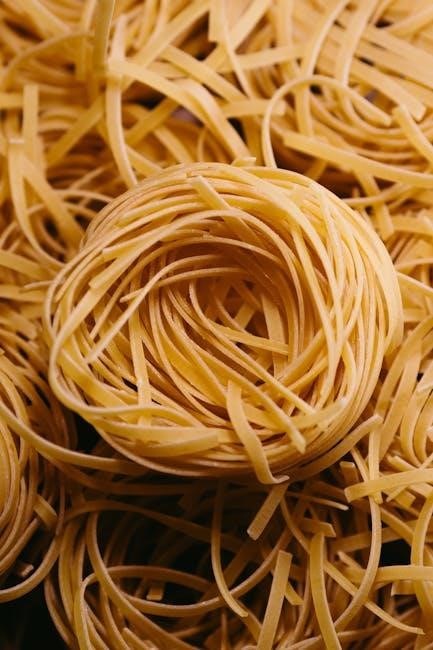
Italian Pasta Guide: A Comprehensive Overview
Discover the diverse world of Italian pasta, from classic spaghetti to unique shapes like Foglie d’Ulivo, exploring regional variations and culinary traditions․
Italian pasta is a cornerstone of global cuisine, celebrated for its versatility and rich history․ From simple family meals to elaborate gourmet dishes, pasta’s adaptability is unmatched․ This guide delves into the fascinating world of Acini di Pepe, Spaghetti alla Chitarra, and countless other varieties․
Exploring pasta isn’t just about shapes; it’s about understanding regional traditions, the art of sauce pairings, and the cultural significance embedded within each strand․ Whether you’re enjoying Fusilli or Lasagne, pasta represents a celebration of Italian culinary heritage․ Prepare to embark on a flavorful journey!
Historical Background of Pasta
The origins of pasta are debated, with evidence suggesting influences from ancient civilizations․ While often associated solely with Italy, early forms of noodles existed in Asia․ However, Italy truly embraced and refined pasta-making, particularly in regions like Sicily during the Arab influences․
By the 13th century, dried pasta became popular, facilitating trade and storage․ Over centuries, various shapes like Conchiglie and Strozzapreti evolved, reflecting regional culinary preferences․ The industrialization of pasta production in the 19th century, with companies like Barilla Group, made it accessible worldwide․
Regional Variations in Pasta Making
Italian pasta traditions vary significantly by region․ Southern Italy favors dried pasta, often enjoyed with tomato-based sauces, while Northern Italy leans towards fresh, egg-based pasta paired with cream or butter sauces․ Sicily boasts unique shapes like Sagne ‘ncannulate, while Campania is known for Scialatelli․
Emilia-Romagna excels in filled pasta like Lasagne (Gravagna)․ Each region utilizes local ingredients and techniques, resulting in a diverse culinary landscape․ Even within regions, towns may have their own distinct pasta styles, showcasing Italy’s rich gastronomic heritage․
Types of Pasta: A Detailed Exploration
Explore a vast array of Italian pasta, categorized by length, shape, and texture – from delicate Capelli d’Angelo to robust Tortiglioni, a true culinary journey․
Long Pasta Varieties
Long pasta, a cornerstone of Italian cuisine, offers versatility and elegance․ Spaghetti, the universally loved classic, pairs beautifully with countless sauces․ Delicate Capelli d’Angelo (Angel Hair) requires lighter, more refined accompaniments․ Vermicelloni, a thicker version of spaghetti, provides a heartier bite․
Notably, Spaghetti alla Chitarra, cut using a traditional “guitar” tool, boasts a rough texture ideal for clinging to rich sauces․ These long strands represent a fundamental aspect of Italian culinary heritage, showcasing simplicity and flavor․ Each variety offers a unique dining experience, reflecting regional preferences and culinary innovation․
Spaghetti: The Classic Choice
Spaghetti, arguably the most recognizable pasta shape globally, originates from Southern Italy․ Its cylindrical, long form makes it incredibly versatile, pairing well with diverse sauces – from simple tomato-based options to creamy carbonara and robust meat ragùs․ The name derives from the Italian word “spago,” meaning thin string, aptly describing its appearance․
This beloved pasta is a staple in countless Italian households and restaurants․ Its enduring popularity stems from its ability to absorb flavors and provide a satisfying texture․ Spaghetti remains a timeless classic, representing the heart of Italian culinary tradition․
Capelli d’Angelo (Angel Hair)
Capelli d’Angelo, translating to “angel hair,” is an exceptionally thin pasta originating from Genoa, Liguria․ Its delicate strands cook rapidly, typically within just a few minutes, making it ideal for light, delicate sauces․ Heavier sauces can overwhelm its subtle texture․ Traditionally, it’s served with seafood, pesto, or simple tomato and basil combinations․
This pasta’s fineness requires careful handling to prevent breakage․ It’s a testament to Italian pasta-making artistry, offering a refined dining experience․ Capelli d’Angelo embodies elegance and simplicity, showcasing the beauty of minimalist Italian cuisine․
Vermicelloni
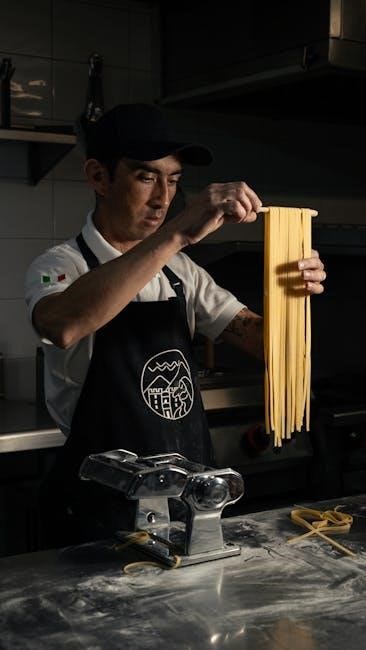
Vermicelloni represents a thicker version of vermicelli, offering a more substantial bite while retaining a similar round shape․ This pasta hails from central Italy, particularly the regions of Lazio and Abruzzo, where it’s a staple in traditional dishes․ Its robust texture pairs well with both hearty meat sauces and lighter vegetable-based preparations․
Vermicelloni’s versatility makes it a favorite among Italian cooks․ It holds sauce beautifully, ensuring each mouthful is flavorful․ Often served with rich ragùs or creamy carbonara, it’s a comforting and satisfying pasta choice, embodying the heartiness of Italian cuisine․
Spaghetti alla Chitarra
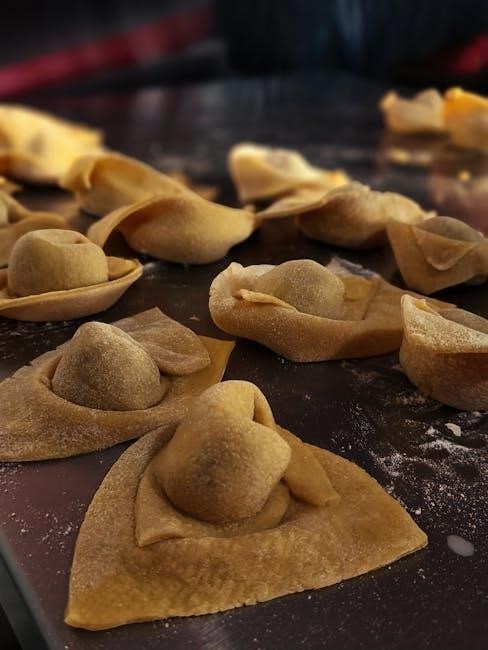
Spaghetti alla Chitarra, originating from Abruzzo, Italy, is uniquely crafted using a chitarra – a stringed instrument resembling a guitar․ The pasta dough is pressed through the strings, creating a square-shaped spaghetti with a rough texture․ This texture is key, allowing sauces to cling exceptionally well, delivering intense flavor in every bite․
Traditionally paired with lamb ragù, Spaghetti alla Chitarra also complements tomato-based sauces and seafood dishes․ Its distinctive shape and robust texture elevate the dining experience, showcasing the artistry and regional specialties of Italian pasta making․
Short Pasta Varieties
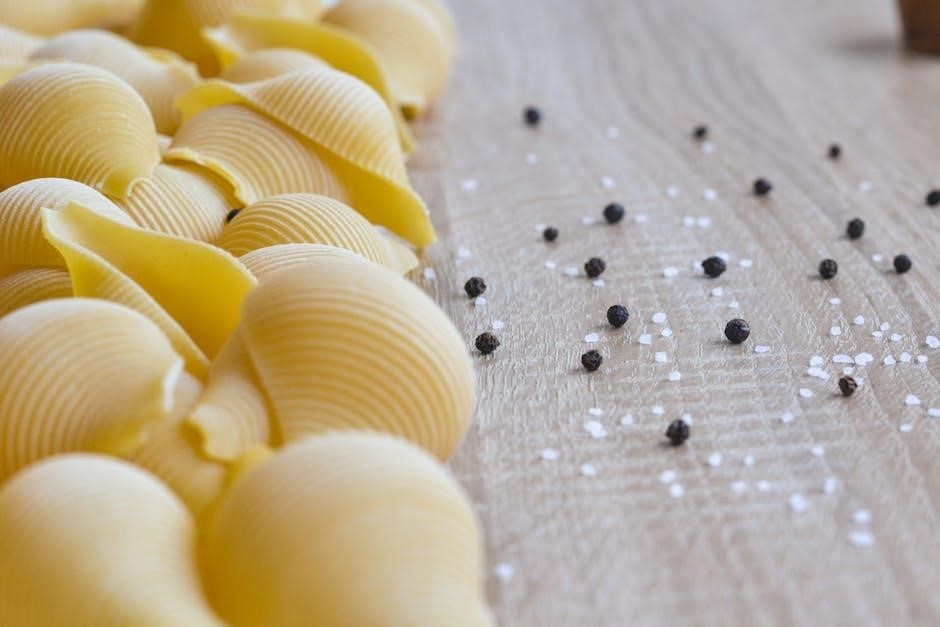
Short pasta offers incredible versatility, capturing sauces within its varied shapes․ Popular choices include Fusilli, delightful spirals perfect for pesto or hearty meat sauces, and Conchiglie (shells), available in sizes from tiny Conchigliette to large, stuffing-ready Conchiglioni․ These shapes provide textural interest and enhance the overall dining experience․
Fusilli Avellinesi and Fusilli Bucati present unique twists on the spiral, while smaller varieties like Acini di Pepe add a playful element to soups and salads․ Short pasta’s adaptability makes it a staple in Italian cuisine․
Fusilli: Spirals of Flavor
Fusilli, characterized by its delightful corkscrew shape, is a beloved short pasta known for its ability to hold sauces exceptionally well․ The spirals and ridges create pockets that capture every drop of flavor, making it ideal for both chunky and smooth sauces․ From classic tomato-based sauces to creamy pestos and robust meat ragùs, Fusilli consistently delivers a satisfying experience․
Its playful form also makes it a popular choice for pasta salads, adding visual appeal and textural interest․ Truly, Fusilli embodies the spirit of Italian culinary enjoyment․
Fusilli Avellinesi
Fusilli Avellinesi, originating from the Avellino province in Campania, is a traditional pasta distinguished by its unique production method․ Unlike machine-extruded fusilli, this variety is traditionally made by hand, wrapping the pasta around a knitting needle or similar tool․ This creates a thicker, rougher texture, perfect for clinging to hearty sauces․
Often served with rich meat sauces or flavorful vegetable preparations, Fusilli Avellinesi represents a commitment to artisanal pasta-making․ It’s a testament to the culinary heritage of the Campania region, offering a truly authentic Italian experience․
Fusilli Bucati
Fusilli Bucati, a captivating pasta shape, hails from the Campania region of Italy and presents a delightful textural experience․ “Bucati” signifies pierced, referring to the hollow core running through the spiral shape․ This unique feature allows sauces to penetrate the pasta, delivering intense flavor with every bite․
Traditionally crafted by hand, Fusilli Bucati pairs exceptionally well with robust sauces like wild boar ragu or simple tomato and basil combinations․ Its robust structure holds up beautifully to hearty ingredients, making it a favorite among pasta enthusiasts seeking a truly satisfying meal․
Conchiglie (Shells)
Conchiglie, meaning “shells” in Italian, are a versatile pasta shape beloved for their ability to capture and hold sauces․ Their ridged surfaces and hollow interiors create pockets of flavor, enhancing the overall dining experience․ Available in various sizes – small, medium, and large (Conchiglioni) – they cater to diverse culinary applications․
Smaller conchiglie are ideal for lighter sauces and pasta salads, while larger ones are often stuffed with ricotta and spinach or meat fillings, then baked․ This pasta’s playful shape makes it a favorite among children and adults alike, offering a delightful textural contrast․
Conchigliette
Conchigliette, the diminutive of Conchiglie, translates to “little shells” and represents a smaller, more delicate version of the classic shell pasta․ These petite shells are exceptionally well-suited for lighter, more refined sauces, such as pesto or a simple tomato and basil combination․ Their size also makes them a charming addition to soups and broths, adding a delightful textural element․
Conchigliette’s smaller form allows for a greater sauce-to-pasta ratio, ensuring each bite is bursting with flavor․ They are a popular choice for children’s meals and elegant pasta salads alike, offering a versatile and appealing option;
Conchiglioni
Conchiglioni, meaning “large shells,” are significantly bigger than their Conchigliette counterparts, designed for substantial fillings․ Traditionally, these impressive shells are stuffed with ricotta and spinach, meat ragù, or creamy béchamel, then baked in the oven with a generous layer of sauce and cheese․ Their robust structure holds the filling securely during cooking, creating a satisfying and visually appealing dish․
Conchiglioni are often a centerpiece for family meals or special occasions, offering a hearty and flavorful experience․ They require a bit more preparation but reward the effort with a truly memorable pasta course․
Ribbon Pasta Varieties
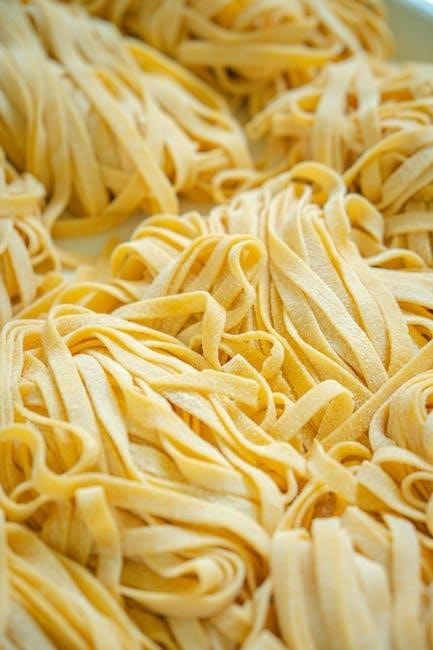
Ribbon pasta, characterized by its flat, broad shape, offers a delightful texture and is excellent at capturing rich, creamy sauces․ The most iconic example is Lasagne (Gravagna), wide, flat sheets layered with fillings like ragù, béchamel, and cheese, then baked to golden perfection․ This classic dish is a staple of Italian cuisine, varying regionally in its ingredients and preparation․
These pastas provide a substantial bite and are often paired with hearty sauces to complement their robust form․ Their surface area allows for maximum flavor absorption, creating a truly satisfying culinary experience․
Lasagne (Gravagna)
Lasagne, also known as Gravagna, represents a cornerstone of Italian culinary heritage․ These wide, flat pasta sheets are traditionally layered with a rich ragù (meat sauce), creamy béchamel, and generous amounts of cheese – often Parmesan and mozzarella․ Baked until bubbly and golden, lasagne offers a comforting and satisfying experience․
Regional variations abound, with some recipes incorporating spinach, mushrooms, or different types of meat․ This baked pasta dish is a celebration of flavors and textures, perfect for family gatherings and special occasions, embodying Italian comfort food at its finest․
Tube Pasta Varieties
Tube pasta, characterized by its cylindrical shape, offers a delightful textural experience, perfectly capturing sauces within its hollow form․ Varieties like Maccheroni alla Molinara and Maccheroni al Pèttine showcase regional traditions, differing in size and surface texture․ Tortiglioni (Elicoidali), with their spiral ridges, are excellent for clinging to robust sauces․
These pastas are incredibly versatile, pairing well with creamy, meaty, or vegetable-based sauces․ Their substantial form makes them ideal for baked dishes, providing a hearty and satisfying meal․ Exploring tube pasta reveals a world of culinary possibilities․
Maccheroni alla Molinara
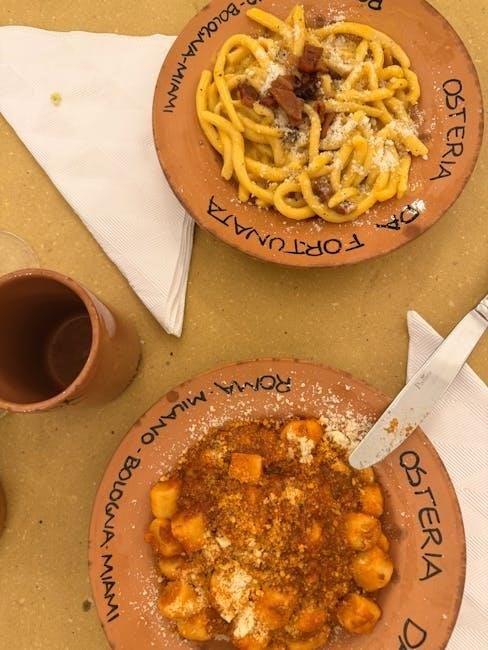
Maccheroni alla Molinara, originating from Rome, are a traditional tube pasta, typically made with a simple egg and flour dough․ Their name references the “molinara” or miller’s wife, historically responsible for preparing this pasta․ These maccheroni are characterized by their slightly rough texture, ideal for capturing classic Roman sauces․
Often served cacio e pepe (cheese and pepper) or with a rich tomato-based sauce, Maccheroni alla Molinara represent the heart of Roman cuisine․ Their simplicity highlights the quality of the ingredients and the skill of the pasta maker, offering a truly authentic Italian experience․
Maccheroni al Pèttine
Maccheroni al Pèttine, hailing from the Lazio region of Italy, are distinctive for their ridged surface created using a special wooden tool called a “pèttine” – a comb․ This unique texture allows the pasta to perfectly cling to sauces, enhancing the overall flavor profile․ Traditionally, this pasta is handmade, showcasing the artistry of Italian pasta making․
Frequently paired with robust meat sauces or creamy vegetable preparations, Maccheroni al Pèttine offer a delightful chewiness and a satisfying bite․ They represent a regional specialty, embodying the culinary heritage and traditions of central Italy, providing a truly authentic taste․
Tortiglioni (Elicoidali)
Tortiglioni, also known as Elicoidali, are large, tube-shaped pasta with a spiral pattern running around the exterior․ This distinctive ridging isn’t merely aesthetic; it’s designed to capture and hold onto sauces, ensuring a flavorful experience with every bite․ Originating from Naples and the surrounding Campania region, Tortiglioni are a staple in Southern Italian cuisine․
Their substantial size and robust texture make them ideal for hearty sauces, such as rich ragùs or creamy vegetable blends․ Tortiglioni offer a satisfying chewiness and a delightful visual appeal, embodying the spirit of Italian culinary tradition and regional specialties․
Small Shape Pasta Varieties
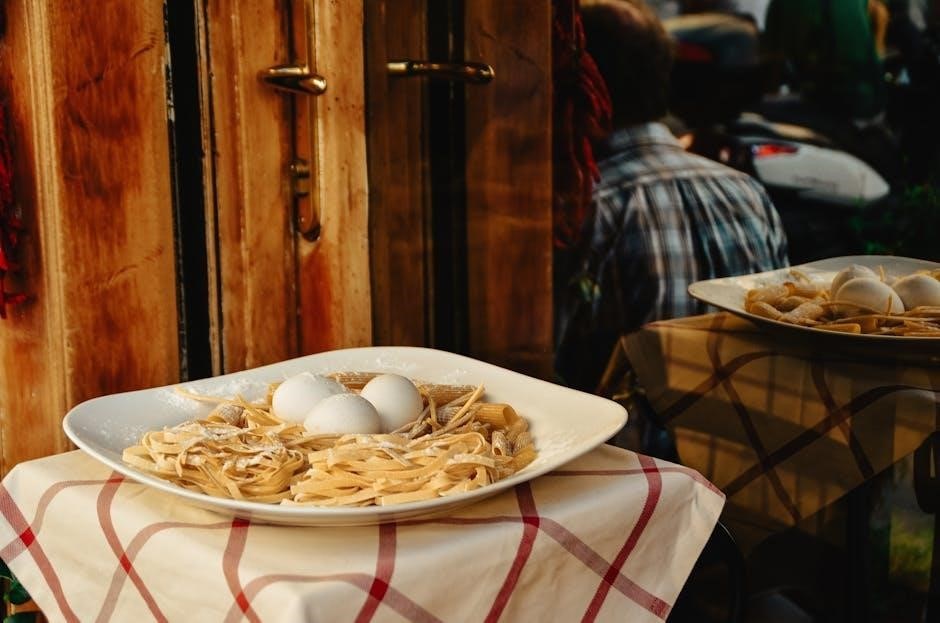
Small shape pastas, often overlooked, are incredibly versatile and integral to Italian cooking․ These tiny forms, like Acini di Pepe (peppercorns) and Orzo (risoni, resembling rice), excel in soups, salads, and baked dishes․ Seme di Melone, shaped like melon seeds, and Pearl Pasta (Piombi) add unique textures․
Their diminutive size allows them to distribute flavor evenly throughout a dish․ They’re perfect for light broths or as a textural element in more substantial meals․ These pastas demonstrate the Italian commitment to utilizing every form, showcasing both simplicity and culinary ingenuity․
Acini di Pepe
Acini di Pepe, translating to “peppercorns,” are tiny, round pasta shapes resembling – you guessed it – peppercorns! This diminutive pasta is a staple in Italian cuisine, particularly beloved in broths and soups, where its small size distributes flavor beautifully․ It’s also frequently used in cold pasta salads, offering a delightful textural contrast․
Originating from Rome and Lazio, Acini di Pepe readily absorbs sauces, making it a versatile ingredient․ Its delicate form cooks quickly, adding a comforting element to any dish․ It’s a testament to Italian pasta’s diversity․
Orzo (Risoni)
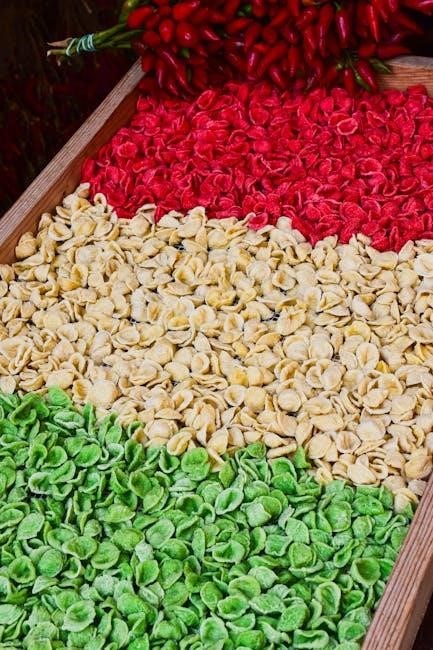
Orzo, also known as risoni, is a pasta shape resembling rice grains․ This versatile pasta is incredibly popular in Italian cuisine, frequently used in soups, salads, and as a side dish․ Its rice-like appearance doesn’t limit its applications; it readily absorbs flavors, making it a fantastic base for various sauces and seasonings․
Traditionally, Orzo is often found in brothy soups, adding a comforting texture․ It’s also excellent in cold salads with fresh vegetables and herbs․ Its small size and neutral flavor profile make it a delightful addition to countless meals․
Seme di Melone
Seme di Melone, translating to “melon seeds,” is a diminutive pasta shape originating from Southern Italy․ These tiny, oval-shaped pasta pieces are traditionally served in broths or light sauces, often featuring vegetables and seafood․ Their small size allows them to perfectly complement delicate flavors without being overpowering․
This unique pasta is particularly popular in Puglia and other regions known for their simple, fresh ingredients․ Seme di Melone offers a delightful textural experience, adding a subtle chewiness to soups and other dishes․ It’s a true taste of authentic Italian culinary tradition․
Pearl Pasta, Piombi
Pearl Pasta, also known as Piombi, are incredibly small, round pasta shapes resembling tiny pearls – hence the name․ Traditionally used in soups and broths, these delicate pasta pieces add a subtle texture and visual appeal to light dishes․ They are particularly common in regions of Northern Italy, where they’re often paired with clear consommés or vegetable-based broths․
Piombi cook quickly and absorb flavors beautifully, making them a versatile ingredient for both simple and more elaborate recipes․ Their diminutive size makes them a favorite among those seeking a refined and elegant pasta experience․
Less Common & Specialty Pastas
Explore unique Italian pasta forms beyond the familiar, including Foglie d’Ulivo and Creste di Galli, showcasing regional artistry and culinary innovation․
Unique Pasta Shapes
Italy boasts a remarkable array of pasta shapes, extending far beyond the commonly known varieties․ Foglie d’Ulivo, resembling olive leaves, offers a delicate texture and visual appeal․ Creste di Galli, or rooster combs, present a ruffled edge perfect for capturing rich sauces․
Then there are Occhi di Lupo (wolf eyes) and Occhi di Pernice (partridge eyes), small, ring-shaped pastas․ Sagne ‘ncannulate are twisted ribbons, while Scialatelli or Scialatielli are thick, hand-rolled strands․ Pasta al Ceppo and Sorprese Lisce add further diversity, and Strozzapreti, meaning “priest stranglers,” are hand-rolled and twisted․
Foglie d’Ulivo (Olive Leaves)
Foglie d’Ulivo, translating to “olive leaves,” is a distinctive pasta shape originating from the Puglia region of Italy․ These small, leaf-shaped pastas are traditionally made with durum wheat semolina, offering a slightly firm texture․ Their unique form is not merely aesthetic; the crevices and curves beautifully capture and hold sauces, particularly those with rustic, vegetable-forward profiles․
Often paired with simple sauces like garlic and olive oil, or a light tomato-based sauce, Foglie d’Ulivo provides a delightful textural experience․ It’s a testament to the Italian tradition of crafting pasta that reflects the local landscape and culinary heritage․
Creste di Galli (Rooster Combs)
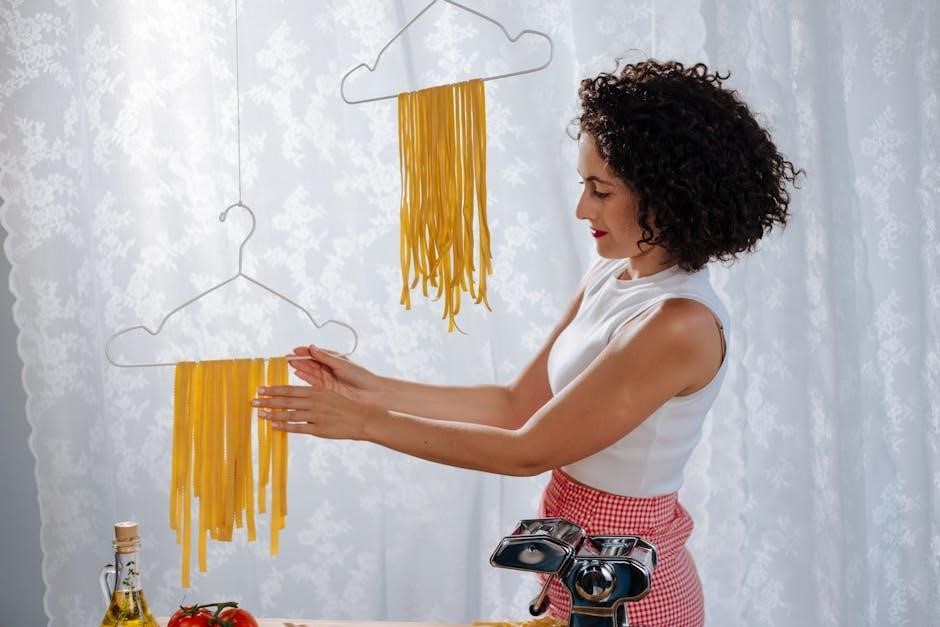
Creste di Galli, meaning “rooster combs,” is a charming and relatively uncommon pasta shape hailing from the Le Marche region of Italy․ This pasta is characterized by its ruffled edges, resembling the comb of a rooster, and a slightly concave shape․ Traditionally handmade, Creste di Galli is crafted from durum wheat semolina, resulting in a firm and satisfying bite․
Its unique structure excels at capturing hearty, robust sauces, such as those featuring wild boar or mushrooms․ The ruffled edges provide ample surface area for the sauce to cling to, delivering a burst of flavor with every mouthful․ A true regional specialty!
Occhi di Lupo (Wolf Eyes)
Occhi di Lupo, translating to “wolf eyes,” is a distinctive pasta shape originating from the Basilicata region of Southern Italy․ These small, round pasta pieces feature a hole in the center, resembling the eye of a wolf – hence the evocative name․ Traditionally made by hand, Occhi di Lupo is typically crafted from durum wheat semolina, offering a delightful al dente texture․
This pasta is particularly well-suited for lighter sauces, broths, or even simple preparations with olive oil and vegetables․ Its small size and unique shape make it a favorite in traditional Lucanian cuisine, often served in soups or as a primo piatto․
Occhi di Pernice (Partridge Eyes)
Occhi di Pernice, meaning “partridge eyes” in Italian, is a charmingly named pasta shape hailing from the Emilia-Romagna region․ These tiny, egg-based pasta pieces are characterized by their small, round form and a central indentation, resembling a partridge’s eye․ Traditionally, Occhi di Pernice are made with a rich dough of durum wheat semolina and eggs, resulting in a delicate and flavorful pasta․
Often served in broths or light sauces, their small size allows them to absorb flavors beautifully․ They are a classic component of traditional Romagnol soups and are prized for their tender texture and subtle egg flavor․
Sagne ‘ncannulate
Sagne ‘ncannulate, a traditional pasta format from Puglia, specifically the Salento peninsula, showcases the region’s rustic culinary heritage․ These long, ribbon-like pasta strands are uniquely formed by rolling and twisting the dough, creating a slightly curled and irregular shape․ The name ‘ncannulate’ refers to this twisting process, traditionally done by hand around a knitting needle or similar tool․
Typically made with durum wheat semolina, Sagne ‘ncannulate are often paired with hearty sauces featuring vegetables like turnip tops (cime di rapa) or tomato-based sauces with ricotta salata․ Their rough texture helps capture the sauce, delivering a flavorful bite․
Scialatelli or Scialatielli
Scialatelli (or Scialatielli) hail from the Amalfi Coast in Campania, Italy, and represent a delightfully robust pasta shape․ These thick, hand-rolled strands are wider and shorter than spaghetti, possessing a slightly irregular texture that’s characteristic of homemade pasta․ The name is believed to derive from the local dialect, referencing the skillful “slapping” motion used during dough preparation․
Traditionally, Scialatielli are made with durum wheat flour, semola, and often include a touch of local seafood, like anchovies, in the dough itself, imparting a subtle marine flavor․ They are commonly served with seafood sauces, particularly those featuring shellfish or swordfish․
Pasta al Ceppo
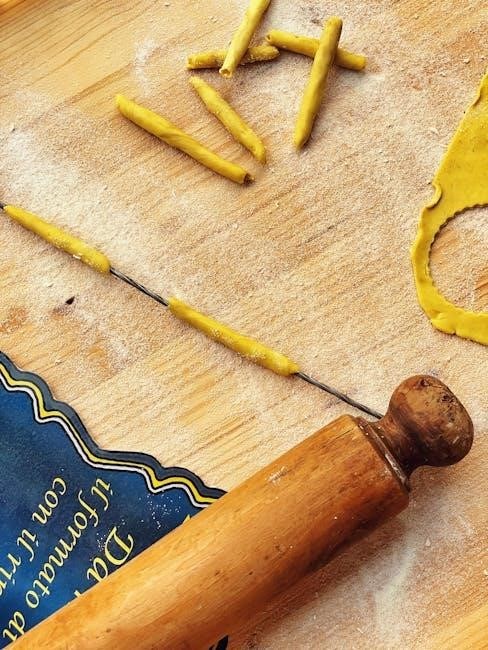
Pasta al Ceppo, originating from the Maremma region of Tuscany, is a truly unique and rustic pasta shape․ Its name, meaning “wood log pasta,” accurately describes its appearance – resembling small, irregular pieces of chopped wood․ Traditionally, it was made by peasant families utilizing leftover pasta dough scraps, skillfully hand-rolled and cut․
This hearty pasta boasts a rough texture, perfect for clinging to robust, flavorful sauces․ It’s commonly paired with wild boar ragu, game sauces, or simple tomato-based sauces with herbs․ Pasta al Ceppo embodies the resourceful spirit of Tuscan cuisine, offering a taste of authentic regional tradition․
Sorprese Lisce
Sorprese Lisce, translating to “smooth surprises,” are captivating little pasta shapes hailing from the Campania region of Italy․ These small, purse-like pasta are typically filled with ricotta cheese, often blended with spinach or other flavorful ingredients, creating a delightful hidden treasure within each bite․ Their smooth exterior belies the delicious surprise awaiting inside․
Traditionally served in a light broth or with a simple tomato sauce, Sorprese Lisce are a testament to the artistry of Italian pasta making․ They are often enjoyed during festive occasions, offering a comforting and flavorful experience that embodies the heart of Neapolitan cuisine․
Strozzapreti
Strozzapreti, meaning “priest-strangler,” is a uniquely shaped pasta originating from the Emilia-Romagna and Marche regions of Italy․ Its name stems from a colorful legend suggesting the pasta was so delicious, it could make a priest forget his vows! These hand-rolled pasta pieces are elongated and twisted, resembling a small, tightly wound rope․
Typically served with rich, hearty sauces like ragù or a simple tomato and basil sauce, Strozzapreti’s textured surface expertly captures the flavors․ Its robust shape and satisfying chew make it a beloved choice for those seeking an authentic Italian pasta experience․